The history of the Sacred Valley of the Incas
A fertile valley along the Vilcanota river that was a granary, a home to Inca nobility and a stage of resistance against the conquest.
Why it is called "Sacred"
The valley follows the Vilcanota river, which further downstream takes the name Urubamba. Its Quechua name, Willka Mayu, is usually translated as "sacred river". To that link with water you can add its value as fertile land, with a milder climate than Cusco.
Granary and home of the nobility
For the Incas, the valley was one of the most important farming areas. The terraces of Pisac and Ollantaytambo, the rings of Moray and the canal systems show how much work went into cultivating these slopes. Residences and ceremonial centres tied to the Inca elite were built here too.
A landscape that is still alive
What makes the valley special is that its history is not only in the stones: Chinchero still weaves, families in Maras still harvest salt, and Ollantaytambo is still lived in on an Inca street plan.
 Inca terraces
The valley through time
Andean peoples already farmed the valley and used resources such as the salt springs of Maras.
The valley becomes prime farmland, with terraces, canals and residences of the nobility.
Ollantaytambo becomes a stage of Manco Inca resistance against the Spanish.
Churches are raised on Inca structures, as at Chinchero.
Communities still weaving, farming and harvesting salt, alongside the archaeological sites.
Where to see this history
Pisac
Farming terraces and the religious sector with the Intihuatana.
Ollantaytambo
Temple-fortress and an Inca town still lived in.
Chinchero
Inca walls beneath a colonial church, and a weaving tradition.
Moray and Maras
Agricultural engineering and salt ponds worked by the community.
Questions about the history
Walk the history with a guide
Our bilingual guide tells the story of every site. Book the Classic or the VIP from Cusco.
Plan your day in the Sacred Valley
Decide
Which tour suits you
Plan
How your day will look
Sort it out
Before you travel
Other day tours in southern Peru
Full-day tours in Cusco, Puno and Arequipa.
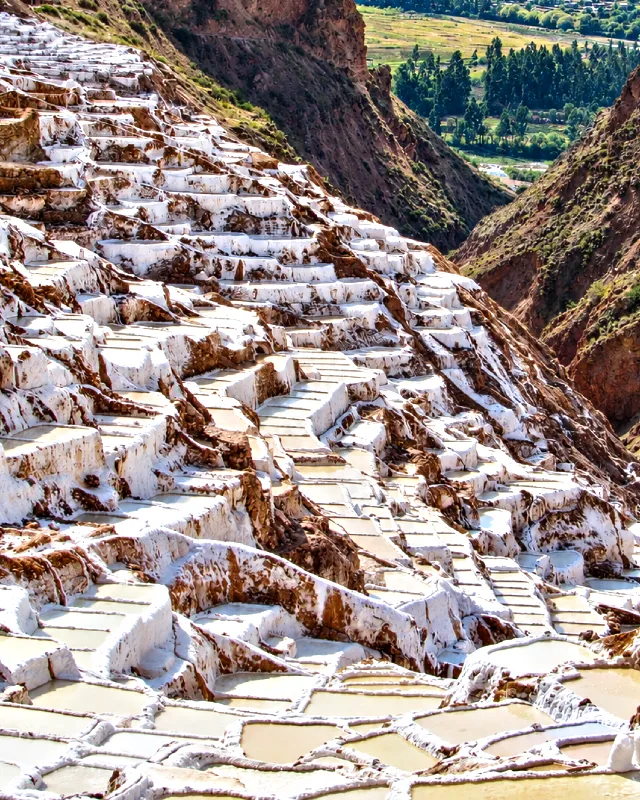
Sacred Valley VIP
Chinchero, Maras, Moray, Ollantaytambo and Pisac in one day.
You are here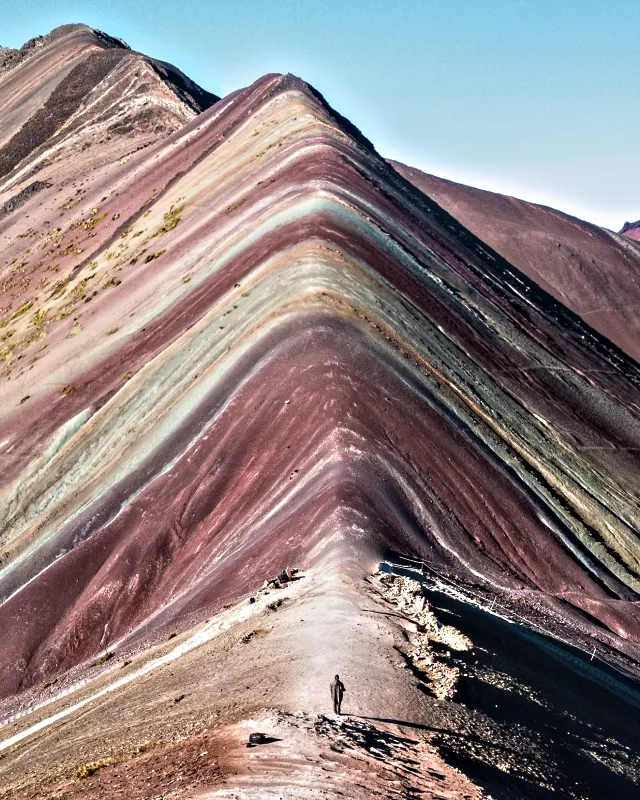
Rainbow Mountain
The seven-colour mountain, above 5,000 m.
View tour ↗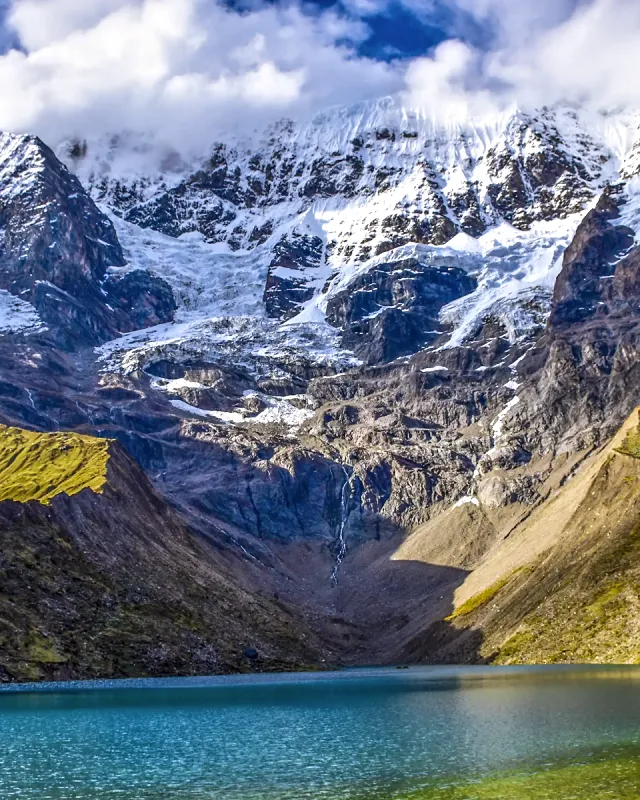
Humantay Lake
Turquoise lake below the Humantay glacier.
View tour ↗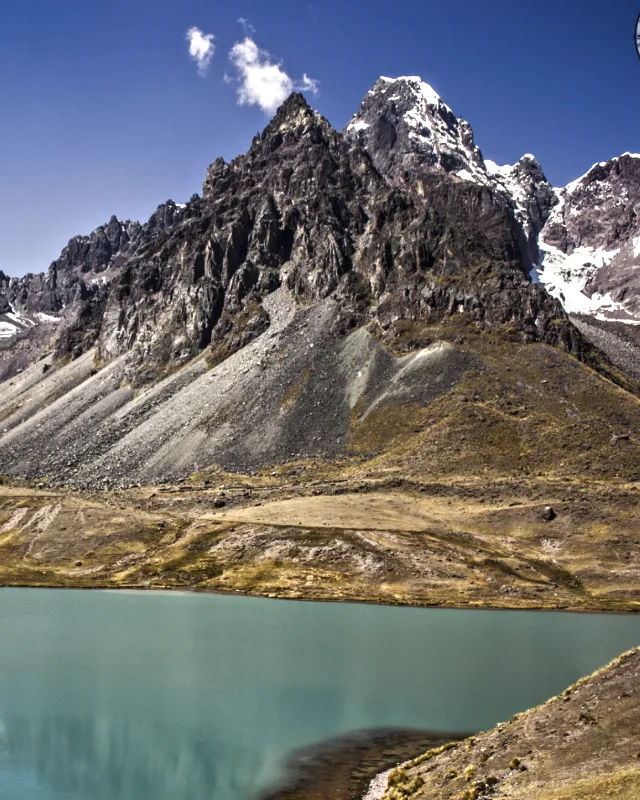
7 Ausangate Lakes
Seven lakes beneath the Ausangate glacier.
View tour ↗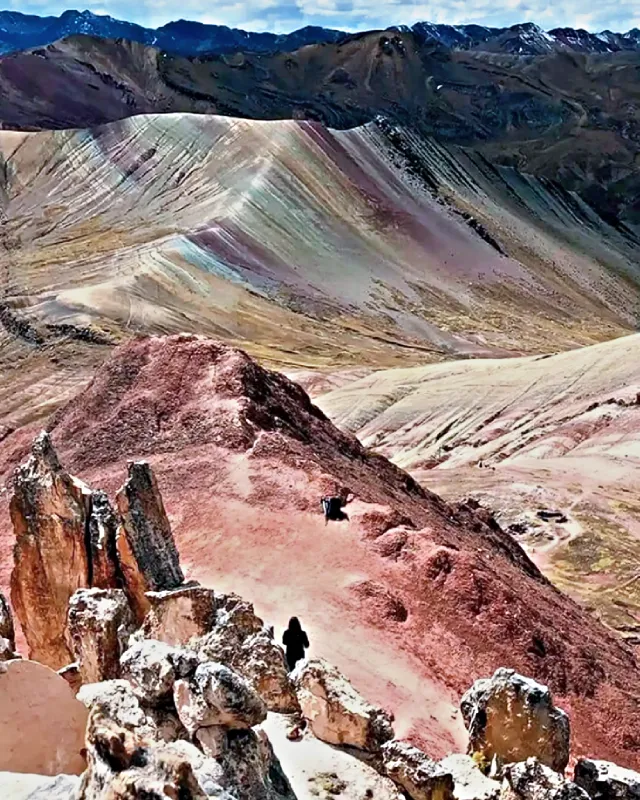
Palcoyo Mountain
Rainbow mountains with a shorter, easier walk.
View tour ↗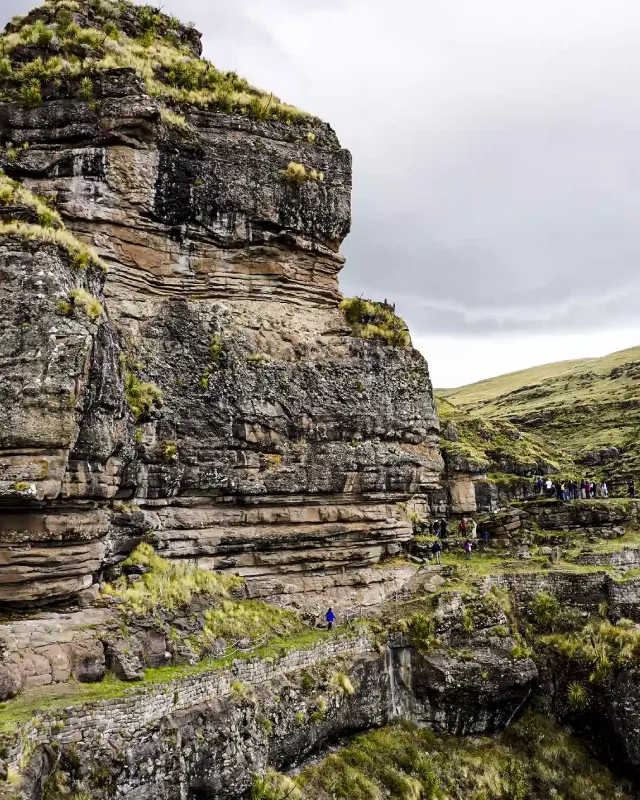
Waqrapukara
Horn-shaped Inca fortress above a canyon.
View tour ↗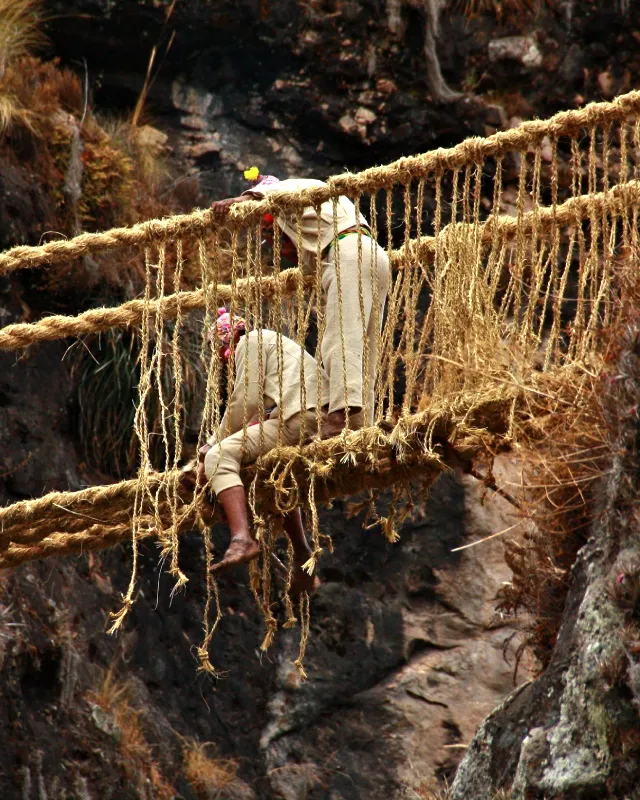
Q'eswachaka
Inca grass bridge rewoven by hand every year.
View tour ↗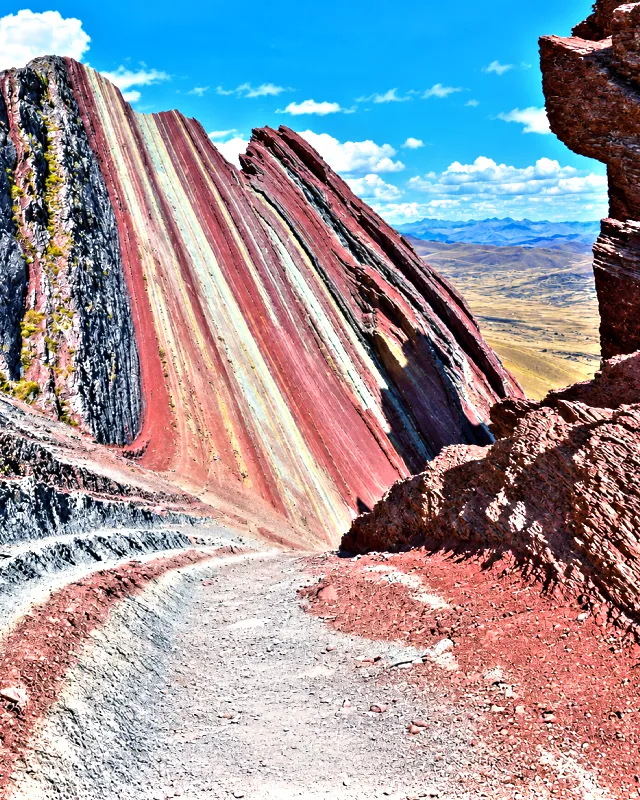
Pallay Punchu
Sharp, colourful ridges near Layo.
View tour ↗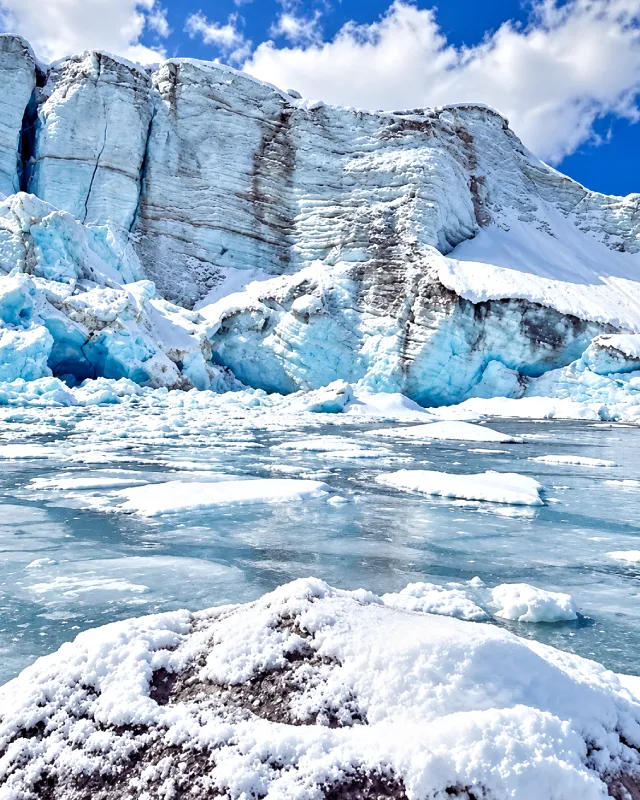
Quelccaya Glacier
One of the largest tropical glaciers on earth.
View tour ↗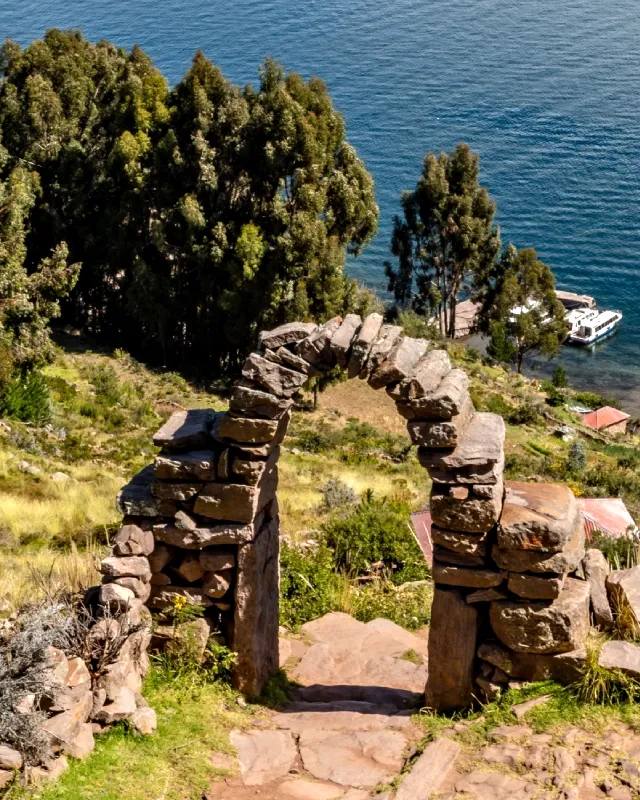
Amantani Island
Lake Titicaca island with local family homestays.
View tour ↗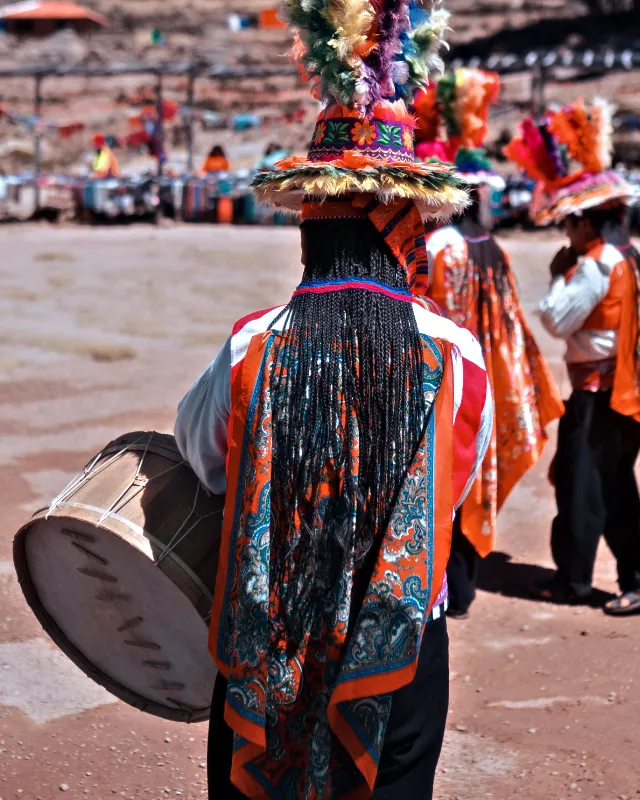
Taquile Island
Titicaca island famous for its weavings.
View tour ↗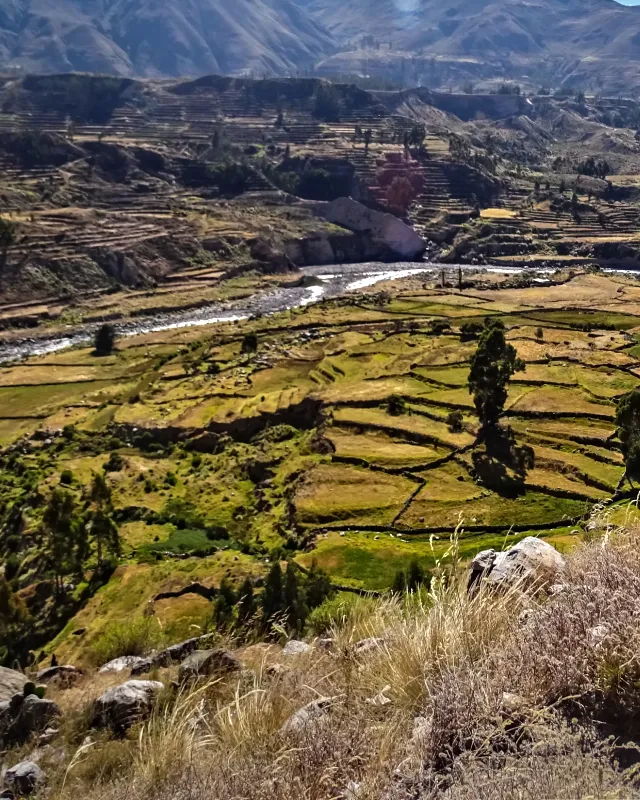
Colca Canyon
One of the deepest canyons, home of the condor.
View tour ↗"Life is short and the world is vast: start exploring it today."
